_edited_edited_edited.png)
Whatever Happened to Photo Albums? Why Families Are Starting to Print Photos Again
There was a time when almost every family had at least one shelf filled with photo albums. Birthdays, vacations, weddings, first days of school, graduations, and completely ordinary afternoons were printed, organized, and placed between pages.
You could pull an album from the shelf and lose an hour without even realizing it.
Today, we probably take more photographs in a month than many families once took in an entire year. Our phones are constantly within reach, cameras have never been easier to use, and we can capture almost any moment instantly.
So why does it sometimes feel like we see our photographs less than ever?
Somewhere between smartphones, social media, and cloud storage, the traditional family photo album started disappearing. But interestingly, printed photographs are finding their way back into our homes—and there are some good reasons why.

We Take More Photos Than Ever Before
Think about how many photographs are currently sitting on your phone.
Hundreds?
Thousands?
Maybe tens of thousands?
Modern smartphones have removed nearly every limitation that once existed around taking pictures. There's no film to buy, no waiting for development, and no need to worry about wasting a shot. If the first picture doesn't look right, we take five more.
That convenience is amazing, but it has created a completely new problem: we have so many pictures that individual photographs can become easier to forget.
A special photo gets pushed further down the camera roll every time another picture is taken. Before long, that family gathering from two years ago is buried underneath screenshots, food pictures, vacation photos, receipts, and thousands of other images.
We haven't stopped documenting our lives.
We've just changed how we experience those memories afterward.
Remember When Picking Up Photos Was Exciting?
Anyone who remembers film photography probably remembers the anticipation.
You took your pictures without knowing exactly how they turned out. Then the film had to be developed. When you finally received the envelope of prints, everyone wanted to look through them.
Some pictures were great.
Others had someone's eyes closed, a finger covering the lens, or half the family looking in the wrong direction.
But you kept them anyway.
Those photographs eventually ended up inside albums, frames, drawers, and boxes. Years later, even the imperfect pictures became interesting because they captured something real.
Today we can instantly delete anything that isn't perfect.
Convenient? Absolutely.
But maybe we've lost a little of the fun along the way.
Digital Photos Are Easy to Take—and Easy to Forget
One of the biggest differences between physical and digital photography is visibility.
A printed picture sitting on your refrigerator might be seen hundreds of times. A framed family photograph becomes part of your home. An album gets pulled out during holidays and passed around the room.

A digital picture only appears when you intentionally go looking for it—or when your
phone decides to remind you it exists.
That's why you can suddenly see an old photograph and think:
"I completely forgot about that."
The memory wasn't necessarily forgotten.
The photograph simply disappeared from your everyday life.
Why Printed Photos Feel Different
There's something about physically holding a photograph that changes how we interact with it.
You notice the details.
Maybe it's the house you grew up in sitting behind everyone. Maybe it's your grandfather's old car. Maybe it's a friend you haven't spoken to in years.
Physical photographs also tend to carry their own history. Some have handwritten dates on the back. Others have bent corners, faded colors, or little marks from being handled over the years.
Those imperfections become part of the photograph.
A digital image can be duplicated endlessly.
That old picture Grandma kept in her album feels like her picture.
There's a difference.
Photo Albums Tell a Story
A camera roll is usually chronological, but it doesn't necessarily tell a story.
A thoughtfully created photo album does.
You might start with a couple's wedding and eventually see their first home, children, birthdays, vacations, graduations, and family celebrations.
Page after page, you're watching someone's life unfold.
That's why old albums can be so fascinating even when the photographs aren't technically impressive.
They're connected.
Instead of seeing one isolated picture, you see what happened before and after it.

Children Experience Printed Photos Differently
There's another interesting benefit to physical photographs: children can interact with them without needing a device.
A child can sit with a parent or grandparent and flip through an album while hearing stories about people they may never have met.
"That's your great-grandfather."
"This was our first house."
"That's your mom when she was your age."
Those conversations connect photographs to family stories.
A folder containing 12,000 digital images might technically preserve more information, but an album containing 200 carefully selected photographs may actually get looked at more often.
Sometimes having fewer pictures makes each one more meaningful.
The Return of Instant Photography
It's interesting that as cameras have become increasingly digital, instant photography has become popular again.
People still enjoy watching a photograph appear and being able to hold it immediately.
That's part of the reason instant-print photo booths continue to work so well at weddings, birthdays, school dances, quinceañeras, corporate events, and family celebrations.
Guests already have cameras in their pockets.
They're not using the photo booth because they have no other way to take a picture.
They're using it because the experience is different.
Friends gather together, take a few pictures, laugh at the results, and walk away holding something from the event.
The physical print is part of the experience.
Weddings Are Bringing Photo Albums Back Too
Wedding photography has never completely abandoned physical albums, and there's a good reason.
A wedding might produce hundreds or even thousands of digital photographs, but couples often select a smaller number that truly tell the story of the day.
Those pictures become the album.
The process forces you to choose what matters most: getting ready, family, the ceremony, the first dance, friends laughing, grandparents together, and the little moments happening in between.
Photo booth guest books can add another side of that story.
Instead of polished professional photographs, guests contribute candid pictures alongside handwritten messages.
One album documents what the wedding looked like.
The other can show what the party felt like.
Your Social Media Account Isn't Your Family Archive
Social media is convenient for sharing photographs, but it shouldn't necessarily be the only place important memories live.
Platforms change.
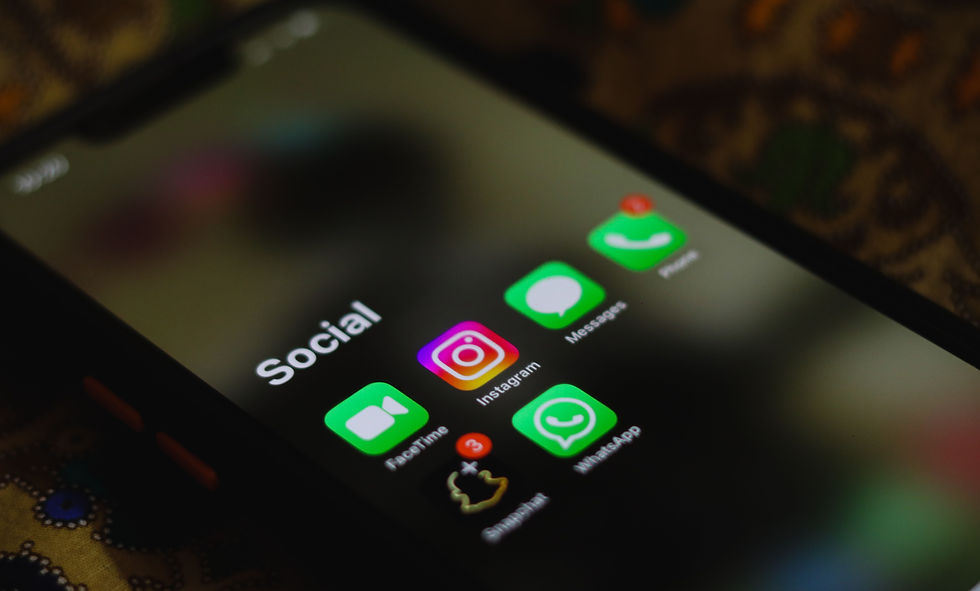
Accounts can be deleted or lost. Image quality can be compressed. People stop using certain services and move to something new.
Think about how many social platforms have already come and gone—or simply aren't used the way they once were.
Important family photographs deserve a more intentional home.
That doesn't mean you need to print everything.
It means deciding which pictures you'd be genuinely upset to lose.
Those are the ones worth protecting.
Start Small: You Don't Need to Print 10,000 Photos
Opening your camera roll and deciding to organize years of pictures can feel overwhelming.
Don't.
Start smaller.
Choose one year. One vacation. One wedding. Your child's first year. A graduation. A family reunion.
Select the photographs that actually mean something and create a small album.
You don't need 30 versions of the same picture.
Pick the one that makes you smile.
Then move on.
A collection of 50 meaningful photographs is more likely to be enjoyed than a folder containing 5,000 pictures nobody wants to sort through.
Create One Family Album Every Year
One simple tradition can solve the problem going forward: create one album each year.
Throughout the year, continue taking pictures normally. At the end of the year, choose the moments that mattered.
Birthdays.
Trips.
Holidays.
School events.
Family gatherings.
Random days that turned into good memories.
Put them together chronologically and add the year to the cover.
After ten years, you'll have ten volumes documenting your family's life.
That's something a camera roll simply doesn't recreate in the same way
Print the Ordinary Moments Too
We naturally remember to take pictures during major milestones.
But some of the photographs people treasure most later aren't from weddings or graduations.
They're ordinary.
Dad cooking dinner.
The kids playing in the backyard.
Grandma sitting in her favorite chair.
The dog sleeping in the same ridiculous position every afternoon.
A random Sunday when everyone happened to be home.
At the time, these moments don't seem historically important.
Twenty years later, they might be the pictures that make you stop the longest.
Don't only document celebrations.
Document life between them.
Physical and Digital Photos Don't Have to Compete
This isn't an argument for giving up digital photography.
Digital photos are incredible.
They're easy to capture, organize, duplicate, back up, edit, and share with people anywhere in the world.
The best approach is probably a combination of both.
Keep digital backups of important photographs while printing the ones you want to actually experience in your home.

Digital storage protects quantity.
Physical prints create visibility.
Together, they can help make sure important memories don't simply disappear into a camera roll.
Maybe Photo Albums Never Really Went Away
Perhaps we're not actually rediscovering photo albums.
Maybe we're rediscovering why we liked them in the first place.
They slow us down.
They turn individual pictures into stories.
They give children a way to discover family history. They bring old memories into the room. And unlike scrolling through a phone, opening an album often becomes something people do together.
Technology has changed photography enormously, and mostly for the better.
But sometimes the simplest version still works:
Take a picture.
Print it.
Write the date.
Keep it somewhere safe.
And years from now, open the album again.
Create Memories You Can Take Home With 321 Click
At 321 Click, we love digital photography, but we also understand why there's still something special about walking away from an event holding an actual photograph.
Our photo booth rentals in Salt Lake City and surrounding Utah areas give guests a chance to create both fun digital memories and physical keepsakes at weddings, birthdays, quinceañeras, school events, baby showers, corporate celebrations, family gatherings, and other special occasions.
With high-quality photos, instant prints, customizable designs, props, backdrops, digital options, 360 video experiences, and professional attendants, we help turn moments at your event into memories your guests can keep.
Because sometimes the picture you hold onto becomes more meaningful than the thousands sitting on your phone.
Planning a special event in Salt Lake City, Utah? Visit 321ClickPhotos.com to explore our photo booth experiences and reserve your date today. Create memories worth printing—and worth keeping.



Comments